
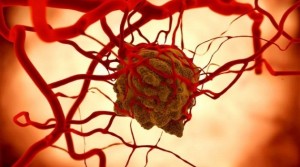
 The old adage feed a cold, starve a fever may seem like an outdated concept, but Dr. William Li’s revolutionary research has broken ground as a way to eat to starve cancer by cutting off the blood supply to tumors. This may sound provocative and controversial, which is why I strongly recommend viewing his presentation before continuing with this article (click ).
 We’ve all lost a friend or loved one to cancer, or know someone who has. At this very moment, cancer has been setting up shop in each of us for decades, especially for anyone over forty, regardless of how healthy our diet and lifestyle. During the three stages of cancer development, a diet rich in nutrient-dense whole foods can significantly impact the containment of these clustering cells while potentially reversing some tumor growths before they metastasize. To better understand these invaders, here are the 3 stages in which they operate:
Stage one-Initiation
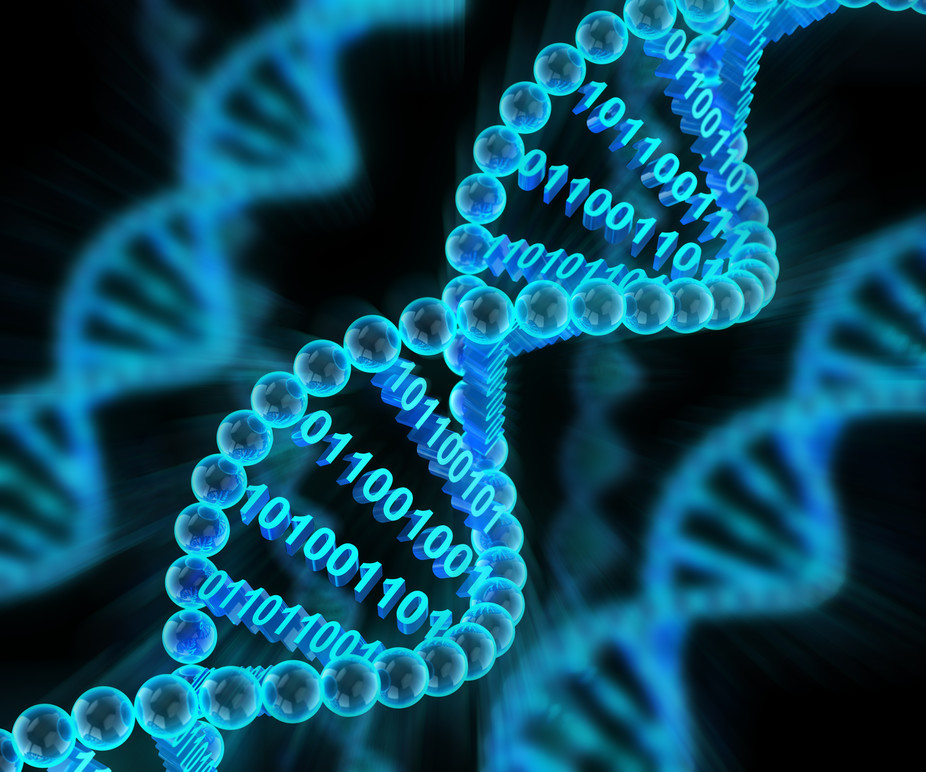 During the initiation stage, carcinogens enter the body much the way computer viruses infiltrate and corrupt a computer system. Our body’s natural defenses scan and firewall the invaders. But every so often, they penetrate the microenvironment of our cells to corrupt DNA and affect gene expression. Carcinogens are clever little buggers. They can adopt the identity of the original cell. After the DNA nucleus is impregnated with a carcinogen, a mutant cell acts like an embryo, taking its cue from the surrounding microenvironment, much the way a fetus takes its cue from the mother’s environment.
Stage two-Promotion
During the promotion stage, when these mutant clones begin clustering and forming a tumor, they can remain undetected for decades. But as Dr. Li pointed out, so long as they stay as individual cells, angiogenesis isn’t stimulated, and they don’t have a chance to grow up and become dangerous.
Stage three-Progression
A critical part of this stage is the induction of local small blood vessels. Once the network is in place, rapid growth follows, which increases their ability to invade and metastasize. But this network is fragile and less efficient than the vascular supply to healthy tissues. A published journal in Current Oncology hypothesized “angiogenesis may be more sensitive to a cocktail of natural health products administered continuously at relatively low doses than to a single pharmaceutical compound delivered intermittently at higher dose levels.”
Anti-Angiogenesis Foods:
Just as carcinogens can affect gene expression to promote cancer, so, too, can food. There are certain strains of foods that contain a higher potency of phytochemicals than others. Bioavailability is another factor. The synergy of specific food pairings can affect bioavailability, such as turmeric. On its own, its properties are only 50% bioavailable. When combined with pepper, bioavailability is a whopping 2000%. The same for apples. While the effect on reducing breast cancer cells was significant in women. The same apples had little, if any, effect on prostate cancer in men until the apples were paired with onions. In a comparative study using tomatoes and spinach, when cooked, they released a more potent level of enzymes than raw. Click the link for a list of foods from Dr. Li’s presentation: anti-angiogenesis.
Inflammation: The killer within
 Light-Force-Energy
Good morning, Sally. Nice to get a new post from you, but when I click on the links for the article and Chasing Summer, it’s coming up as “page does not exist.” Let’s chat soon. It’s been a while. Love, Ruth xoxoxo
>
LikeLike