

Light-force energy is often used interchangeably with life-force energy. Although they operate as one, they radiate from different sources. Life force is our breath/prana—our inner light—whereas light force is the outer light we project, which mirrors our body’s health.

That’s me on the right at 26, radiating. However, once I reached my 40s, the healthy glow of youth began to fade. It’s a fact of life we’ve come to accept. But should we? In our society, the glow associated with youth is a perishable commodity with a scant shelf life. Health and wellness, for the most part, lie within the choices we make today, because tomorrow isn’t guaranteed. What if you could dial back to the days of luminous skin and clear, bright eyes? You don’t need a time machine, just a blender.

The picture to the left is of me at 56. I’m not projecting the effects of cosmetic surgery or injectable fillers, just straight up, light-force energy. How did I do it? With plant blood, better known as liquid chlorophyll. Chlorophyll is the vibrant green pigment found in plants, a molecule that, through a process called photosynthesis, allows it to convert light energy into chemical energy. Chlorophyll is virtually identical to our hemoglobin, separated by one core atom: magnesium (Mg). I’m not suggesting that you run out and buy a bottle of chlorophyll extract or supplements, since the degree of their bioavailability is still unknown. However, studies have shown substantial bioavailability with a plant-based diet, which is how I prefer my chlorophyll, starting with spinach water each morning.
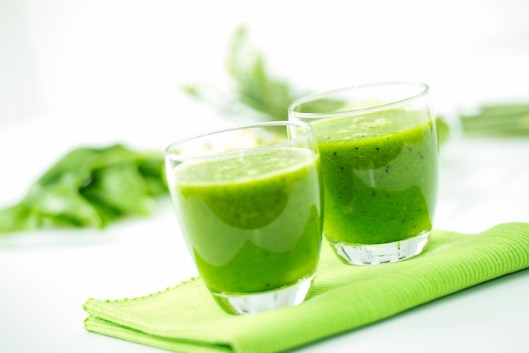
While continued human trials are needed to further understand the overall benefits of chlorophyll, a recent study published in 2023 by NIH (National Library of Medicine) outlines its potential health benefits:
- Antioxidants and nutrients to scavenge free radicals that lead to oxidative stress, inflammation, and disease
- Blood-building properties to help oxygenate cells, tissues, and vital organs
- Strengthens the immune system and supports cellular regeneration
- Improves cognitive function and brain health
- May decrease proliferating cells in some cancers
- Alkalizes and detoxifies
- Boosts hydration and energy levels
- Aids in weight loss
How a plant-based diet supports skin health:
- Rich in antioxidants: Vitamins such as C and E, beta-carotene [A], and polyphenols scavenge free radicals and prevent oxidative stress that damages skin cells and accelerates aging.
- Boosts collagen production: Nutrients found in plant-based foods are crucial for synthesizing collagen that gives skin its elasticity and firmness.
- Manages skin conditions: Anti-inflammatory compounds found in a plant-based diet help calm systemic inflammation associated with acne and eczema.
- Improves skin barrier: Fiber, vitamins, and other phytochemicals strengthen the skin’s defense system to keep it healthy and resilient.
Key plant-based foods:
- Fruits and vegetables
- Nuts, seeds, and legumes
- Whole grains

In summary, a whole-food, plant-based diet [WFPB] may not be for everyone. Full disclosure: I’m not a vegan or vegetarian; I’m an omnivore. However, I have reduced animal-based products to 20% and increased plant-based foods to 80%. I didn’t begin my journey until I was 50. This is a photo taken of me at 66 in front of the Pyramid of Giza, slightly veiled from the desert sun, yet happy, healthy, and wiser. If I had it to do over, I would have started earlier rather than resting on the laurels of youth. Still, it is never too late to get your glow on. Small changes now can have a huge impact later. The key is mindful modification and proportionate moderation. Keep it in perspective. A healthy body isn’t about perfection. It is, however, about progress.
Cheers to your health and wellness!
Namaste.
Additional sources:
- J. Clin, aesthetic dermatologist. The Role of a Whole-Food, Plant-Based Diet in Preventing and Reversing Skin Aging: A Review. [PubMed]
- Nagini S., Palitti F., Natarajan A.T. Chemopreventive Potential of Chlorophyllin: A Review of the Mechanisms of Action and Molecular Targets. Nutr, Cancer. [PubMed]
- Ferruzzi M.G., Failla M.L., Schwartz S.J. Assessment of degradation and intestinal cell uptake of carotenoids and chlorophyll derivatives from spinach puree… [PubMed]
 Light-Force-Energy